
RFID Schutz
Was ist RFID?
Ein RFID Chip ist ein kleines und sehr billiges technisches Gerät, welches ohne eigene Stromversorgung ein Funksignal senden kann. Dazu muss es von einem Lesegerät angefunkt werden. Der RFID-Chip nutzt die eingestrahlte elektromagnetische Energie für das Echo-Signal. Die Art des Echo-Signals kann sehr unterschiedlich ausfallen. Obwohl diese Technologie ihre Wurzeln in der Freund-Feind-Erkennung aus dem zweiten Weltkrieg hat, sind die technischen Möglichkeiten noch längst nicht ausgeschöpft.
Geschichte
Der Krieg ist der Vater aller Dinge. Das ist leider bis heute eine unerschütterliche Wahrheit. So ist es nicht verwunderlich, dass auch die ungeheuer praktischen Funkchips ihre Ursprünge in der Militärtechnik haben. In jedem Krieg war es von Anfang an wichtig, Freund von Feind unterscheiden zu können. Was mit Standarten, Uniformen und Fahnen begonnen hatte, setzte sich auch in die „modernen“ Kriege des 20ten Jahrhunderts fort. Fahnen und Uniformen sind in der Luftkriegsführung jedoch kaum für eine Freund-Feind-Erkennung sinnvoll. Zu schnell sind die Abläufe in dieser Form der Kriegsführung. Um Piloten und Flugabwehrstellungen eine Möglichkeit zu geben, ein „freundliches“ von einem „feindlichen“ Ziel unterscheiden zu können, wurde Funksignale eingesetzt.
Die „Transponder“ genannten Geräte sonderten ein permanentes Signal ab, welches den eigenen Streitkräften als Freund-Signal bekannt war. Jedes andere Signal wurde als feindlich interpretiert und wurde angegriffen. Die Transponder-Technologie wurde alsbald von der zivilen Luftfahrt übernommen. Noch heute verfügt jedes Flugzeug über einen eigenen Identifikationscode. Damit machen sie es den Fluglotsen wesentlich einfacher, sie auf die Korridore und Landebahnen zuzuweisen. Ebenso werden Schiffe, LKW und andere Fahrzeuge mit Transpondern ausgestattet. Teils geschieht dies aus Schutz gegen Diebstahl, meist jedoch für das Tracking, den Schutz vor Kollisionen und das Navigieren. Einer der Pioniere in der stromlosen Transponder-Technologie ist das Unternehmen SIEMENS.
Mit dem von ihm entwickelten SICARD Systems wurden die ersten Vorläufer von Funktranspondern vorgestellt, die klein genug für einen praktischen Einsatz waren. Neben dem Diebstahlschutz Wurde das SICARD System vor allem im Produktionsfluss einer modernen Serienfertiung eingesetzt. Dabei zeigten sich die mit SICARD Transpondern ausgerüsteten Bauteile besonders gut bei Lackierungen anwendbar. Anders als die optischen Systemen, beispielsweise die Barcodes, arbeiteten die funkbasierten Anwendungen wesentlich zuverlässiger in dieser Umgebung. Jedoch war die Menge der auslesbaren Informationen mit dem SICARD System noch sehr gering. Ab Mitte der 1980er Jahre wurde es durch modernere Verfahren ersetzt. Der Fortschritt in der Informationstechnologie machte sich auch bei den stromlosen Transpondern bemerkbar: Sie wurde billiger, zuverlässiger und kleiner. Deshalb wird häufig eine indirekte Dateneingabe vorgenommen: Der Chip-Transponder übermittelt lediglich einen Identifikationscode. Die eigentlichen Daten sind in einer externen Datenbank hinterlegt, von wo aus sie abgerufen und aktualisiert werden.


* Werbung / Als Amazon-Partner verdienen wir an qualifizierten Käufen / Details in der Datenschutzerklärung
Varianten der RFID-Chips
 Neben der direkten und indirekten Dateneingabe gibt es noch weitere Varianten von funkenden Chips. Außer den stromlosen, preiswerten Ausführungen sind auch Mini-Transponder verfügbar, die eine eigene Stromquelle besitzen. Da die stromlosen RFID-Chips nur eine sehr kleine Reichweite besitzen, sind sie bei manchen Anwendungen nicht zweckmäßig.
Dazu gehören beispielsweise Transponder an Hochsee-Containern. Stromlose Transponder nennt man “passiv”, Transponder mit eigener Stromquelle nennt man “aktiv”. Aktive Transponder bieten wesentlich größere Einsatzmöglichkeiten, sind jedoch auch erheblich teurer.
Auslesen von Daten aus Funkchips
Um die Daten aus einem Funkchip auslesen zu können, ist ein spezielles Lesegerät erforderlich. Dieses sendet ein Signal, worauf der Chip mit einem Gegensignal antwortet. Die Industrie hat sich auf definierte Frequenzbereiche von RFID-Chips geeinigt. Im sogenannten NFC-Standard (Near-Field-Coupling = Nahfeldkopplung) werden die Funkchips und die Lesegeräte auf ganz bestimmte Frequenzbereiche eingestellt, so dass ein Hersteller-übergreifendes Arbeiten mit dieser Technologie möglich sind. Die Frequenzen sind:
Niedrige Datenübertragung
- 125 kHz: Induktive, stromlose Auslese. Kleinste Reichweite von ca. 30 Zentimetern. Anwendung: Personenbezogene Anwendungen, Schlüsselkarten
- 134,2 kHz: Induktive, stromlose Auslese. Typischer Tier-Transponder
- 13,56 mHz: Reichweite bis 1,5 Meter. In der Warenwirtschaft gut für Anti-Kollision verwendbar. Häufige Anwendung im Diebstahlschutz.
Der Hauptnachteil dieses Frequenzbereichs ist neben der niedrigen Datenübertragung, dass das Signal von Metall stark gedämpft wird.
Mittlere Datenübertragung
- 868 mHz: Reichweite bis 3 Meter. Unempfindlich gegenüber Metall. Sehr gute Anti-Kollisionseigenschaften.
- 915 mHz: Wie 868 mHz mit etwas verbesserten Eigenschaften.
Dieser Frequenzbereich ist für viele Anwendungen zum Standard geworden.
Hohe Datenübertragung
- 2,45 Ghz: Höchster Frequenzbereich in der passiven Transponder-Technologie. Darüber muss der Transponder mit einer eigenen Stromquelle ausgestattet sein.
Dieser Standard wird für Mautsysteme, beispielsweise das Toll-Collect System für LKW, verwendet.
Erhöhung der Reichweite
Ja, das ist schon eine verführerische Idee: Alle Dinge mit Funkchips ausstatten und schon braucht man nichts mehr zu suchen. Einfach die Such-App am Handy angeschaltet und schon findet man alles wieder. Versuche in diese Richtung laufen bereits und einige versierte Elektronik-Bastler vermelden erste Erfolge bei dieser Technologie. Jedoch ist die Energie, mit der ein Funkchip sendet, sehr schwach. Er nutzt die eingestrahlte Funkenergie für seine eigene Sendeleistung. Wenn also im Moment von einer “Reichweitenverlängerung” des RFID-Signals die Rede ist, dann nur in Bezug auf seine Erreichbarkeit.
Im Grunde ist das recht einfach: Man muss lediglich die Sendeleistung des Signalgebers erhöhen, schon erreicht man auch weiter entfernt liegende Funkchips. Dies ist nur leider sehr aufwändig und sehr teuer. Es gibt gegenwärtig aber noch keine zuverlässige Technik, mit welcher der Funkchip seine eigene Sendeleistung erhöhen kann. Hat man also nur einen begrenzt wirksamen Sender, bleibt es bei den wenigen Zentimetern bis Dezimetern, die ein Funkchip zu antworten in der Lage ist.
Risiko
Keine Sorge! Du brauchst kein Pfefferspray um dich zu schützen. Die Kreativität der Betrüger kennt bekanntlich keine Grenzen. Darum gehört zu einem Umgang mit der Funkspeicher-Technologie auch ein Verfahren, mit dem die Emissionen kontrolliert werden können. Glücklicherweise gibt es einen recht einfachen Weg, die Kontrolle über die emittierten Daten zu behalten. Insbesondere bei den personenbezogenen Anwendungen, wie Schlüssel-, Versicherungs-, und Bankkarten kommen die besonders langwelligen Funkchips zum Einsatz. Denn der Kauf der Lesegeräte ist kein Hindernisgrund mehr: Es gibt bereits NFC-Apps, die sich kostenlos auf jedem Apple- oder Android Smartphone installieren lassen. Das macht das Herumtragen seiner Funkchips inzwischen zu einer gefährlichen bis fahrlässigen Sache.
Vorbehalte gegen funkenden RFID-Chips
Es gibt kaum eine Technologie, bei der dermaßen viel Halbwissen und Verschwörungstheorien im Umlauf sind, als bei diesen Funkchips. Wenn man “RFID” einmal bei Youtube eingibt, dann ist man mitten unter den Chemtrailgläubigen und NWO-Apologeten. Etwas mehr technischer Sachverstand kann hier viel zur Aufklärung beitragen. Die meisten Ängste beziehen sich darauf, was diese Schaltkreise überhaupt weiter geben und woher sie ihre Informationen beziehen. Viele Menschen glauben, dass die Chips selbstständig auf Datensuche gehen und die Benutzer ausspionieren. Doch das ist blanker Unsinn. Funkchips “sammeln” keine Daten. Sie können nur die Informationen ausgeben, die vorher in sie einprogrammiert wurden. Das selbständige Sammeln von Daten ist auch überhaupt nicht ihre Aufgabe. Sie helfen bei der Identifizierung und Lokalisierung eines “gechippten” Gegenstands – das ist alles.
Sind die RFID-Chips verräterisch?
Hier muss man leider sagen: Ja. So fröhlich-progressiv die Entwickler ihre RFID-Anwendungen stolz ihre Ergebnisse der Öffentlichkeit präsentieren und in die zugänglichen Anwendungen drücken, sie machen immer wieder die Rechnung ohne die kriminellen Elemente unserer Gesellschaft: Mit Hilfe eines RFID-Lesegeräts und einem kleinen Zusatzprogramm verraten die NFC-Geldkarten problemlos alles, was, wann und wo mit ihnen bezahlt wurde. Das ist nicht nur empörend und unangenehm, das kann unter Umständen auch gefährlich werden. Was geht es jemanden drittes an, wo etwas gekauft wurde? Jede Information lässt sich auch missbrauchen und gegen eine Person einsetzen. Und ein RFID-Lesegerät hat jeder: Ein ganz normales Smartphone mit einer zusätzlichen App reicht schon aus, um Kreditkartennummern und Ablaufdaten auszulesen. Für eine Amazon-Bestellung reicht das schon aus.
Das Problem bei den RFID-Funksignalen ist, dass sie keine aktive Stromquelle zum Aussenden brauchen. Sie nutzen die eingestrahlte Energie des Lesegeräts für das Antwort-Funksignal. Das ist zwar sehr praktisch, das macht die Chips aber zu ausgesprochen schwer zu kontrollierenden Plappermäulern. Eine weitere böse Überraschung zeigte sich bei der vermuteten Reichweite der NFC-Anwendung. Vom Ansatz her war, wie eingangs beschrieben, nur eine Reichweite von wenigen Zentimetern angedacht. Jedoch zeigt sich bei Versuchen, dass sich diese Reichweite auf bis zu 20 Meter erweitern lässt. Da kann von Datensicherheit keine Rede mehr sein.
Was kann man gegen RFID tun?
Das tückische an den Chips ist, dass sie immer weiter senden, auch wenn ihre eigentliche Funktion nicht mehr benötigt wird. Ein zum Diebstahlschutz eingesetzter Chip bleibt so lange aktiv, bis er vom Gegenstand getrennt und zerstört wird. Zwar wird beim Bezahlen das Signal von “gestohlen” auf “legal erworben” umgestellt. Aber aktiv bleibt der Funkchip dennoch. Es ließe sich somit – theoretisch – mit Hilfe des RFID-Chips eine Bewegungsmuster herstellen. Man stelle sich dies einmal bildlich vor: Jemand kauft einen Mantel und geht in einem Einkaufszentrum spazieren. Das Ladengeschäft verkauft seine Identität an ein Marketing unternehmen, das anhand des Bewegungsprofils des gerade unfreiwillig mit gekauften RFID-Chips, genau sieht, wohin diese Person noch geht. Schon weiß sie, wie diese Person zu bewerben ist, weil genau ablesbar ist, welche Geschäfte sie besucht hat. Denn die Lesegeräte, welche angeblich bislang nur für den Diebstahlschutz installiert sind, funktionieren auch beim Betreten eines Geschäfts.
Signal ist nun einmal Signal, was damit geschieht liegt nicht in den Händen der Nutzer. Es gibt deshalb nur zwei Möglichkeiten, um sich wirksam gegen die ewig plappernen Funkchips zu schützen: Zerstören oder abschirmen. Beim Kauf eines Gegenstands kann man den Verkäufer deshalb fragen, ob und wo im Produkt ein Funkchip versteckt ist. Bei Kleidungsstücken sind sie in der Regel in irgend einem Etikett eingenäht. In anderen Produkten sind sie als oder unter einem Aufkleber irgendwo versteckt. In Kleidungstücken sind die RFID Chips meist quadratische Einnäher mit ca. 3-5 cm Kantenlänge. In Produkten sind die Chips meist in einer kleinen, separaten Plastikhülle versteckt. Es gibt inzwischen Organisationen, welche dabei helfen können, die Chips aufzuspüren. Man kann auch mit detektivischem Spürsinn auf die Suche der RFID-Chips gehen.
Sie sind standardmäßig auf die Frequenz 13,56 mHz eingestellt. Diese lässt sich mit einem Weltempfänger oder einem hochwertigen Funkgerät ebenfalls auswählen. Anschließend hält man das Gerät an das Produkt, in dem man einen Funkchip vermutet. Ein tackendes, periodisches Rauschen und Knacken gibt dann Auskunft darüber, ob man eine “Funk-Laus im Pelz” hat. Da die Chips nur eine Reichweite von wenigen Zentimetern haben, lässt sich seine Position recht genau lokalisieren. Wenn Sie Wert auf maximale Privatsphäre legen, kommen Sie am bewussten Umgang mit den RFID-Chips nicht vorbei. Entfernen Sie konsequent jeden Funkchip, der den Weg zu Ihnen findet. Dazu gehören auch Konzerttickets und sogar die Tickets von Bussen, Bahnen oder Parkautomaten. Daten sind das Gold von heute. Sie wissen nie genau, was mit Ihren Daten passiert, bei wem sie landen und wie sie gegen ihren Willen verwendet werden.
RFID vs Barcode: Was ist besser?
Der gute, alte Barcode, der schon seit Jahrzehnten im Einsatz ist, hat noch lange nicht ausgedient. Für eine originären Anwendungen, dem Etikettieren und Kennzeichnen von Verbrauchsartikeln, ist er nach wie vor ideal. Darüber hinaus ist der Barcode wesentlich billiger als ein Funkchip: Er wird einfach aufgedruckt. Zusatzkosten für die Herstellung eines Funkchips fallen beim Barcode einfach nicht an. Zwar sind die Funkchips mit ca. 1 Cent pro Stück auch nicht gerade teuer. Dennoch, auf die Masse gerechnet, summieren sich die Kosten für den Einsatz der Funkchips durchaus auf stattliche Beträge.
Dennoch ist der Funkchip im Vergleich zum Barcode wesentlich leistungsfähiger. Die Menge der hinterlegbaren Informationen ist größer. Der größte Vorteil ist jedoch, dass zum Auslesen kein optischer Kontakt mehr nötig ist. Die Barcodes funktionieren nur mit speziellen Laser-Scannern. Für das Auslesen eines Funkchips ist nur ein Smartphone mit App notwendig.
Anwendung
Wie allgegenwärtig der RFID-Chip heute ist, mag man gar nicht glauben. Es genügt, ein neues Kleidungsstück zu kaufen, schon hat man in der Regel einen Funkchip mit gekauft. Das gilt auch für viele andere Gegenstände. Andererseits werden die Funkchips auch inzwischen bewusst für Anwendungen eingesetzt, wo bislang nur mechanische oder analoge Systeme bereit standen: Die Zeiterfassung durch Funkchips ersetzt das vorbei Gehen am Terminal die klassische Stechuhr. Der Chip lässt sich auch beliebig erweitern: Schon heute kann ein und derselbe Chip für die Zeiterfassung, die Freischaltung im Netzwerk oder sogar für die Kaffeemaschine verwendet werden. Praktisch sind die Chips auch in den Aufklebern bei Flügen. Das Gepäck, welches mit den Funkchips getaggt ist, geht nicht mehr so leicht verloren. Die Möglichkeiten dieser Technologie sind riesig und noch nicht vollends erforscht. Jedoch hat sie auch ihre Risiken. Mehr erfahren
RFID Schutzhülle
Auslaufmodell Bargeld
Die Deutschen lieben ihr Bargeld. Nur ein prall gefülltes Portemonnaie vermittelt ein angenehm, wohliges Gefühl der Liquidität. Ebenso findet sich in nahezu jedem Haushalt immer noch ein Sparschwein oder ein Sparstrumpf. Bei der Räumung der Wohnungen verstorbener Rentner finden sich nicht selten zehntausende Euros, die an den unmöglichsten Stellen versteckt sind.
Das ist alles weder sinnvoll noch zeitgemäß. Wo Geld gehortet wird, kann es auch verloren gehen. Gestohlenes Bargeld oder Papierscheine, die durch ein Feuer vernichtet wurden, sind unrettbar verschwunden. Daher wird auch in Deutschland das bargeldlose Bezahlen allmählich immer populärer.
Traditionelles Bezahlen mit den diversen Karten
Bisher war das bargeldlose Bezahlen zwar bequem aber immer noch recht umständlich. Zur Auswahl stehen zwei Systeme: Das Bezahlen per PIN-Code oder per Unterschrift. Die PIN-Code Zahlung ist den EC- und Bankkarten vorbehalten. Hier kommt es auf den jeweiligen Terminal an, mit welcher Option bezahlt wird. Beim PIN-Code gibt es jedoch zwei Probleme:
– Er kann vergessen werden
– Jemand anderes beobachtet den Bezahlvorgang und stiehlt damit die vierstellige Nummer
TIPP: Gegen das Vergessen hilft ein einfacher Trick: Speichern Sie ihren PIN-Code verschlüsselt in ihrem Handy ein.
Haben Sie beispielsweise ein Konto bei der Sparda Bank, nehmen Sie die Anfangsbuchstaben des Geldinstituts als Initialien für eine Namen, den Sie sich selbst ausdenken – in diesem Fall beispielsweise “Stephanie Bender”. Nun tippen sie plausible Zahlenkombination als Rufnummer und verwenden die letzten vier Ziffern für ihren PIN. Sie können es auch noch weiter verschlüsseln, indem sie jede Ziffer um 1 erhöhen. Aber jede Art der Verschlüsselung muss aber auch wieder entschlüsselbar sein.
Die Alternative zum PIN-Code war bislang nur das Bezahlen per Unterschrift. Das ist naturgemäß ein sehr unsicheres Verfahren. Das Fälschen einer Unterschrift ist unterstes kriminelles Handwerk. Da auf einer – gestohlenen – Kreditkarte die Unterschrift des Kunden zu sehen ist, braucht es für den versierten Dieb nur ein wenig Übung, schon kann er fröhlich auf Einkaufstour gehen.
Bezahlen mit RFID-Chip – Fluch oder Segen?
Da steht man an der Supermarktkasse und kramt schon mal das Handy heraus, weil man mal wieder seinen PIN vergessen hat. Aber dann geschieht etwas Seltsames: Die Kassiererin führt die Bankkarte über das Bezahlgerät und gibt sie dem Kunden zurück – der Bezahlprozess ist schon vorbei. Ohne PIN, ohne Unterschrift, wie von Zauberhand wurde der Betrag vom Konto abgebucht. Eine zusätzliche Authentifizierung durch den Kunden ist mit dem RFID-Verfahren nicht mehr notwendig. Das ist zwar enorm bequem – aber ist das auch sicher? Das muss man leider vollständig verneinen. Das Bezahlen per RFID-Chip ist brandgefährlich und kann schnell in einem leer geräumten Bankkonto enden. Denn dass sich die Kriminellen schon längst auf diese neue Technologie eingestellt haben, darüber sollte kein Zweifel bestehen.
Wie funktioniert RFID überhaupt?
Wie bereits oben erwähnt bedeutet RFID “Radio Frequency Identifiction” – also eine funktgesteuerte Scannertechnologie. Ein RFID-Chip ist ein kleines, billiges und flaches elektronisches Bauteil, das zwei Dinge tun kann:
– Es empfängt ein Funksignal
– Es sendet auf der gleichen Frequenz eine Antwort zurück.
Das Besondere am RFID-Chip ist, dass es weder zum Empfangen noch zum Senden der Taten eine zusätzliche Stromquelle braucht. Die Energie der Rückantwort stammt aus der empfangenen Funkenergie des ursprünglichen Senders. Natürlich ist die Antwort vom RFID-Chip um einiges schwächer. Die Empfangsmodule an den RFID-Lesegeräten werden jedoch auch immer empfindlicher. Von wenigen Zentimetern Reichweite durch RFID-Chips kann heute deshalb keine Rede mehr sein. Im Labor wurden schon Distanzen von über 20 Metern überwunden, bei denen RFID-Chip und Empfangsgerät miteinander kommunizieren konnten. Und damit fangen die Probleme für Bankkunden an.
Berührungsloser Taschendiebstahl
Jetzt könnte man natürlich sagen: “Ja wer hat denn schon ein RFID-Lesegerät?”. Hier kommt die wirklich schlechte Nachricht: Ein RFID-Lesegerät hat – jeder. Zumindest jeder, der ein Smartphone besitzt kann es mit einer einfachen und kostenlosen App zu einem vollwertigen RFID-Ausleser aufrüsten. Und jetzt fangen die Probleme erst an: Man kann so praktisch im vorüber gehen die Bankkarten von jedem auslesen, der sich in der Nähe befindet. Das ist zugegebermaßen mit dem Smartphone alleine nicht ganz so einfach. Ein einfaches RFID-Lesegerät kostet jedoch auch nur 5 Euro. Und ein Bausatz, aus dem sich ein wirklich leistungsstarker RFID-Spion zusammen bauen lässt, ist schon ab 20 Euro zu haben. Wer es also darauf anlegt, der kann mit minimalem technischen Verständnis und finanziellen Einsatz auf einen echten Raubzug gehen.
Was die RFID in Bankkarten verraten ist zwar nur eine kryptische Log-Datei. Aber die Kriminellen, die es darauf anlegen, wissen genau, wie sie diese Daten auswerten müssen. Es ist daher dringend notwendig, Gegenmaßnahmen zu ergreifen. Sonst endet das bequeme, bargeldlose Bezahlen schnell in einer sehr bösen Überraschung.
Die RFID Plappermäuler zum Schweigen bringen
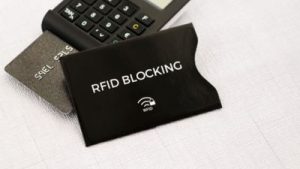
Zwar lässt sich ein RFID-Chip recht einfach durch Durchstechen mit einer Nadel zerstören. Doch geht damit auch die Funktion des bargeldlosen Bezahlens verloren – und dann kann man die Bankkarte auch gleich zu Hause lassen. Es muss daher andere Wege geben, den kommunikationsfreudigen Chip in seine Schranken zu weisen. Und genau dafür gibt es eine heute eine Lösung: Die RFID Schutzhülle.
Die RFID-Schutzhülle besteht aus einem speziellen Material. Die Folie trägt den Namen “Cryptalloy”. Sehr viel mehr weiß man nicht über diesen Wunderstoff. Der niederländische Hersteller hütet das Geheimnis seiner Zusammensetzung wie den heiligen Gral. Jedoch kann er sich das auch gut leisten – kein anderes Material bietet diesen nachhaltigen Schutz gegen fremden Zugriff auf den RFID-Chip, wie diese Kunststofffolie.
Cryptalloy wurde, wie so viele bahnbrechende Materialien auch, rein zufällig entdeckt. Eigentlich wollte man einen RFID-Verstärker bauen. Die Forscher und Ingenieure staunten deshalb nicht schlecht, als das Material genau die gegenteiligen Eigenschaften aufwies, die man eigentlich erreichen wollte. Jedoch wurde der praktische Nutzen schnell erkannt. Denn Cryptalloy verrichtet seine Aufgabe so gut, dass es alle anderen Materialien weit in den Schatten stellen kann.
Keine Alternative zum neuen Material
RFID-Chips funken auf ihrer Frequenz sehr hartnäckig durch alles andere durch, womit man sie zu blocken versucht. Leder oder Kunststoff lassen die Signale praktisch ungehindert durch. Aluminium dämpft die plappernden Funkchips zwar etwas, wirklich blockieren kann sie das Leichtmetall aber nicht. Das einzige, was einen RFID-Chip wirklich abschirmen kann, ist eine mehrere Millimeter dicke Platte aus Blei. Und da kommt man an praktische Grenzen. Wer möchte wirklich eine Geldbörse mit etlichen Kilogramm Gewicht mit sich herum tragen? Cryptalloy ist vom Handling her jedoch eine ultafeine aber robuste Folie aus Kunststoff. Es vereint damit alle Eigenschaften, den man sich von einem RFID-Blocker verspricht. Cryptalloy ist:
– leicht
– hoch wirksam
– sehr preiswert.
Das macht das Material für viele Anwendungen sehr interessant.
Produkte mit Cryptalloy
Das leicht zu verarbeitende Cryptalloy findet in immer mehr Produkten eine sinnvolle Anwendung. Die RFID-Schutzhülle ist das absolute Minimum, welches man zur Aufbewahrung seiner Bankkarten verwenden sollte. Dies sind kleine, auf Normmaß von Bankkarten konfektionierte Hüllen. Es gibt sie in verschiedenen Ausführungen. Die preiswertesten Hüllen sind für jeweils eine einzige Kreditkarte konfektioniert. Mit ca 1 Euro pro Hülle sind sie angenehm preiswert zu haben. Der Handel bietet sie meistens in 5er, 10er oder 12er Packs an. Das sollte für einen normalen Haushalt reichen.
Doch nicht nur in Bankkarten finden sich die verräterischen Funksender. Reisepässe, Personalausweise, Führerscheine und Firmenausweise verfügen ebenfalls immer häufiger um einen eingebauten RFID-Chip. Auch das Auslesen dieser sensiblen Daten kann für die betroffene Person unangenehme Folgen haben. Es ist daher ratsam, auch seine persönlichen Dokumente mit jeweils einer RFID-Schutzhülle auszustatten. Die extrem günstigen Preise für diese Produkte machen es da besonders einfach, sich wirksam gegen Datenklau zu schützen.
Jedoch ist das fummelige Ein- und Auspacken der Bankkarte oder des Personalausweises ebenfalls nicht jedermanns Sache. Hier gibt es aber gute Nachrichten: Die Hersteller von Geldbörsen und Brieftaschen haben den Mehrwert durch dieses Produkt ebenfalls entdeckt. Sie arbeiten den RFID-Blocker gleich in ihre Produkte mit ein. Für den Endkunden ändert sich so überhaupt nichts. Außer, dass er beim nächsten Kauf eines Portemonnaies auf dieses Feature achten muss, bleibt eigentlich nichts für ihn zu tun. Jedoch gibt es auch hier Unterschiede in der Qualität.
Auf Zertifizierung achten
Wo sich ein neuer Boom abzeichnet, da sind Betrüger und Scharlatane nicht weit. Die Begriffe “RFID-Schutz” oder “RFID-Blocker” sind leider nicht geschützt. Es wird damit kein Hersteller daran gehindert ein Produkt auf den Markt zu werfen, welches zwar diese Bezeichnung trägt, die Funktion aber nicht oder nur eingeschränkt anbieten kann. Hier hilft es, auf verfügbare Zertifikate zu schauen. Der gute, alte deutsche TÜV hat sich dankbarerweise dieser Sache angenommen und vergibt entsprechende Zeugnisse. Eine “TÜV-geprüfte RFID-Schutzhülle” wird daher mit Sicherheit halten, was sie verspricht. Neben den Schutzhüllen verfügen auch zahlreiche Portemonnaies mit RFID-Block-Funktion über entsprechende Zertifikate. Damit erhält man Schutz und Sicherheit zum günstigen Preis.
Den Trend nicht verschlafen
Auch wenn die lieb gewonnene Geldbörse eigentlich noch gut ist, sie ist nicht mehr zeitgemäß. Sobald die Bank eine neue Scheckkarte verschickt hat, ist das RFID-Plappermaul im Haus. Es ungeschützt mit sich herum zu tragen ist mehr als fahrlässig. Die Banken bieten ihrerseits schon die RFID-Schutzhüllen als Werbegeschenke an. Auf diesen absoluten Mindestschutz sollte man keinesfalls verzichten. Das gilt vor allem dann, wenn man sich von seinem alten Portemonnaie noch nicht so recht trennen mag.
Es besteht jedoch kein Grund für doppelten Schutz. Sobald die Bankkarte mit einer RFID-Schutzhülle verpackt ist, ist sie sicher. Die Einzelhüllen für Bankkarten oder Ausweise können mit dem Kauf einer RFID-Blocker-Geldbörse zu Hause gelassen werden. Die Gefahr durch ungeschützte RFID-Chips ist zwar groß. Eine doppelte Hülle bietet aber keinen doppelten Schutz sondern macht die Handhabung mit den Kreditkarten nur unnötig schwer. Und die Auswahl an todschicken, brandneuen Geldbörsen ist wirklich riesig. Der Schutz gegen RFID-Datenklau ist damit auch ein willkommener Anlass, sich selbst oder seinen Angehörigen mal etwas richtig Intelligentes, Praktisches und Schönes zu schenken.
- Die optimale Haussicherung zum Schutz vor Einbrechern – was ist erforderlich? - 6. März 2024
- Real und virtuell – RFID-Technik in der Spielzeugwelt - 23. November 2023
- Mit RFID-Tags gegen Produktpiraterie – der erfolgreiche Weg eines Unternehmens - 22. November 2023
